
Unlock Your Body: The Power of Daily Fascia Release
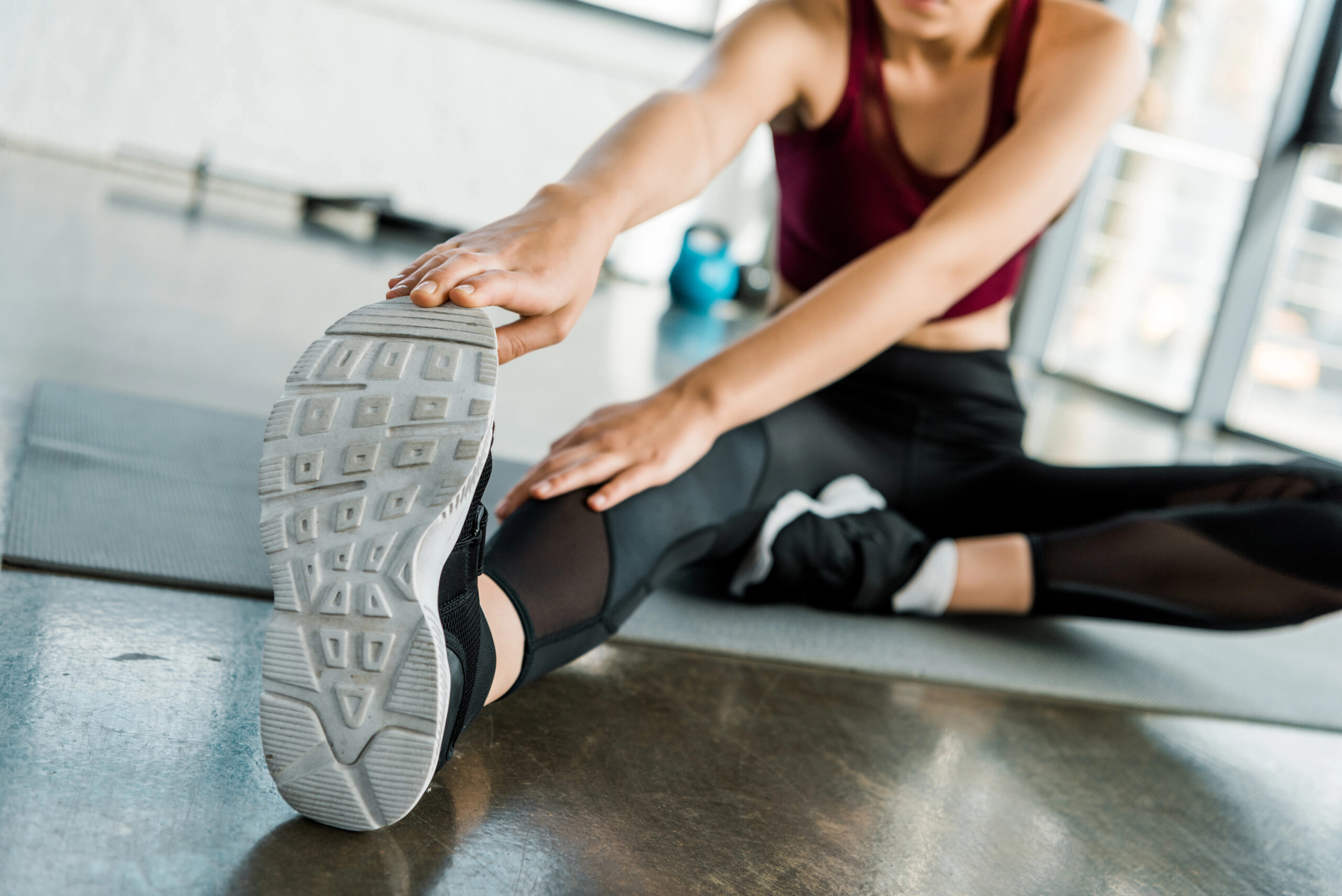
Have you made stretching a part of your exercise routine but still feeling stiff? When the mobility exercises just don’t cut it, it might not be your muscles at all. It might be your fascia.
Daily fascia release is the secret to true flexibility and mobility.
This stringy connective tissue holds your entire body together. When you learn how to care for it, workouts feel better and your morning stiffness disappears.
What Exactly Is Fascia?
Fascia is a spiderweb-like connective tissue. It surrounds your muscles, bones, and organs. Think of it as a tightly woven suit on the inside of your body.
It provides structural support to your body. It also helps your muscles communicate with one another. Fascia is actually one of the largest sensory organs in the human body. It houses around 250 million nerve endings. That means it plays a huge role in proprioception. Proprioception is just a fancy word for your internal body sense, or knowing where your body is in space.
Healthy fascia slides and glides smoothly. Tight fascia sticks together like glue. Unhealthy fascia can lead to tight muscles and stiffness. It limits your mobility and causes unexplained, chronic pain.
Why Your Fascia Gets Tight
Your fascia loves to move so when you stop moving, your fascia starts to bind.
Other causes of restricted fascia include:
- Repetitive movements
- Poor posture
- Chronic stress
- Dehydration
- Past injuries or surgery
When your fascia gets tight, it pulls on your joints. This creates tension that static stretching alone cannot fix. You need specific fascia release techniques to break up that tension.
Simple Fascia Release Techniques
You do not need an expensive massage to fix your connective tissue. You can DIY it at home. Here are the best ways to release your fascia.
Foam Rolling
Foam rolling is a popular method for self-myofascial release. It helps break down knots and increase blood flow. When you roll over a foam roller, you apply sustained pressure to the tight spots. I prefer a softer foam roller to start. You do not need to push so hard that you bruise yourself. Gentle, sustained pressure is the sweet spot.
Stay Hydrated
Fascia needs water to function properly. It relies on a substance called hyaluronan. This acts like a lubricant between your muscle fibers and fascial layers. Drink plenty of water throughout the day. Your tissues will instantly thank you.
Dynamic Movement
Static stretching is great, but fascia responds incredibly well to dynamic, flowing movements. Bouncing, shaking, and twisting all help hydrate the tissue.
Your 5-Minute Daily Fascia Release Routine
You do not need to spend an hour on the floor to see results. Five minutes a day is all it takes to see real improvements in your range of motion. Scientific studies show that self-myofascial release increases your range of motion regardless of how long you do it. As with just about anything in life, consistency is the key.
Try this quick routine every morning to get your connective tissue gliding:
- Inchworm Walkout: Stand tall, hinge forward and reach toward the floor. Walk your hands out to a plank. Pause for 1–2 breaths. Walk feet toward hands (keep legs as straight as possible) Stand up and repeat 5-8x.
- Downward-Facing Dog: Hold this pose and gently pedal your feet. It releases the thick fascia in your calves and hamstrings.
- Standing Figure-Four: Cross one ankle over your opposite knee and sit back. This is seriously one of the best moves for tight hips.
- Single Knee to Chest: Lie on your back and pull one knee in. This gently opens up the lower back fascia.
- Neck and Shoulder Rolls: Shrug your shoulders up, back, and down. Keep it slow and intentional.
Frequently Asked Questions
Is foam rolling the exact same as myofascial release?
They are similar but not exactly the same. Foam rolling is a specific type of self-myofascial release. True manual therapy from a professional involves different techniques and precise, targeted pressure. Foam rolling is just your highly effective at-home version.
Does fascia release hurt?
It should feel like a “good hurts” sensation. If you are grimacing in agony, you are pressing way too hard. Your nervous system will actually panic and tighten the tissue even more. Back off the pressure and breathe deeply.
How long does it take to see results?
You will likely feel a noticeable difference immediately after your first five-minute session. Long-lasting flexibility usually takes a few weeks of consistent daily movement.
Ready to Move Freely Again?
Living with stiffness does not have to be your normal. You have the power to change how your body feels on a daily basis. A little TLC goes a long way to keeping your fascia happy.
For more practical tips on living a healthy, vibrant life, make sure you subscribe to the Something Good Seasonal Newsletter.